

Organized trout fish
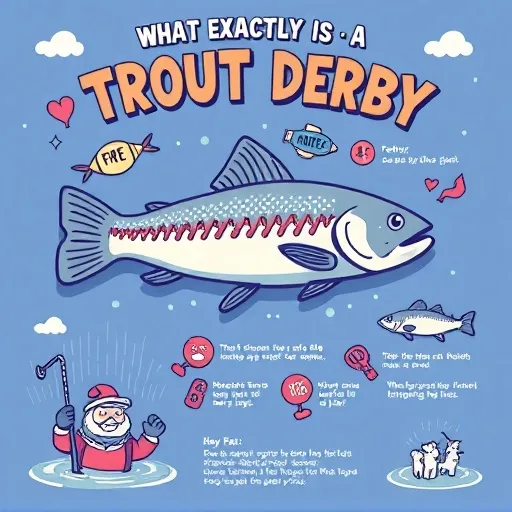
What Exactly Is a Trout Derby?
So let's break it down from square one. A trout derby is basically an organized fishing event where anglers compete to reel in trout — usually within a set time window and on a designated body of water. Unlike those lazy Saturday morning fishing trips where you just toss a line and hope for the best, a trout derby comes with real structure: registration fees, official weigh-in stations, prize categories, and a full set of rules that keep the competition fair. A lot of these events are put on by local conservation groups, municipal parks departments, or community organizations that want to push outdoor recreation and environmental stewardship.
Some trout derby events are quick one-day sprints. Others stretch across an entire weekend — or even a whole season — with anglers logging their catches over weeks. You'll find ice fishing derbies in colder regions, shore-based events built for families, and boat-only competitions for the serious tournament anglers. The common thread running through every single trout derby? Trout. Whether we're talking rainbow trout, brown trout, brook trout, or lake trout, these events celebrate a species that's captured the imagination of freshwater anglers for generations.
Here in 2026, the trout derby format has seriously evolved. Plenty of organizers now run digital leaderboards, letting participants log catches through mobile apps in real time. Some trout derby events offer hybrid participation, letting anglers compete remotely on approved waters while still joining the main weigh-in celebration. It's a modern twist on a fishing tradition that goes back decades.
Competitive Fishing Events, Cold-Water Fisheries, and Community Fundraising in 2026
Community fishing events aren't just about prizes — they serve a much bigger purpose, and that purpose has become increasingly relevant in recent years. A well-run trout derby pulls people outdoors and into a shared experience. Families fish side by side. Neighbors who've never spoken suddenly find themselves comparing bait choices. Local businesses benefit from increased foot traffic as visitors stock up on tackle, snacks, and supplies. The social fabric of a community gets a little tighter, one catch at a time.
Many trout derby events are tied directly to conservation programs. Stocking efforts, habitat restoration projects, and water quality monitoring often receive funding through derby registration fees and sponsorships. Anglers who participate in these fishing competitions frequently develop a deeper appreciation for the ecosystems they're fishing in, which translates into long-term advocacy for clean water and healthy fish populations.
Youth divisions and beginner-friendly categories have become standard at most trout derby events. Organizers recognize that the future of fishing depends on bringing new people into the fold. Free loaner gear, mentoring programs, and instructional clinics are now common features at well-organized events. If you've been curious about fishing but didn't know where to start, a trout derby is one of the most welcoming entry points you'll find.
Catch-and-Release Formats, Digital Leaderboards, and Stocked Trout Behavior
Every trout derby has its own rulebook, and reading it carefully before you show up is one of the smartest things you can do. Some trout derby events operate on a catch-and-keep basis, where fish are weighed at official weigh-in stations and then may be retained by the angler. Others are strictly catch-and-release, with anglers measuring fish on approved measuring boards and photographing them for verification before returning them to the water. In 2026, catch-and-release formats are growing in popularity, especially at events focused on conservation.
Most derby trout are stocked trout — fish placed specifically for the event. These fish often congregate near release points for the first day or two, then gradually spread out as they acclimate. Early in the trout derby, fishing near stocking locations can be really productive. As the event progresses, fish become more dispersed and more cautious, requiring anglers to cover more water and refine their presentations.
Clear water and fishing pressure make trout wary. Downsize your line, lengthen your leader, and approach the water quietly. In a crowded trout derby, the anglers who catch fish are often the ones who fish more carefully, not necessarily the ones who fish faster. Local fishing groups frequently post event details, results, and tips on social media and community forums — and smart competitors pay attention.
If you find a trout derby that interests you, register early. Popular derbies in 2026 are filling up faster than ever, and some have capped participation to protect water quality and ensure a good experience for everyone involved. Whether it's a small community event at a stocked pond or a full-blown tournament with a digital leaderboard, the trout derby experience delivers something for every level of angler.